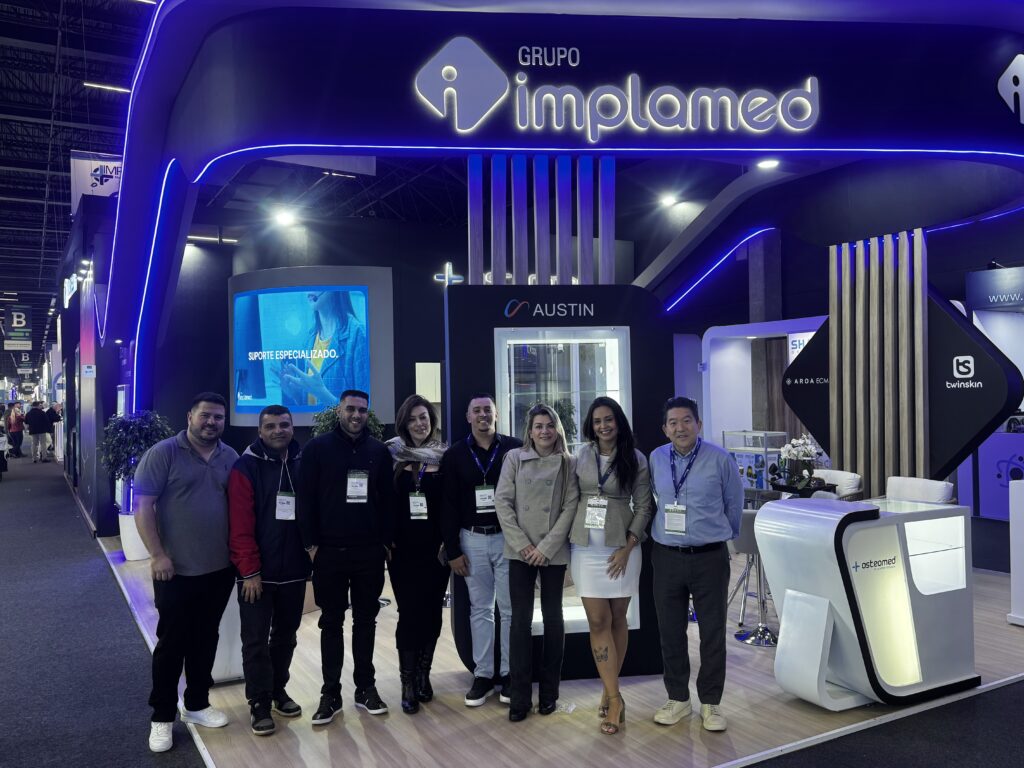
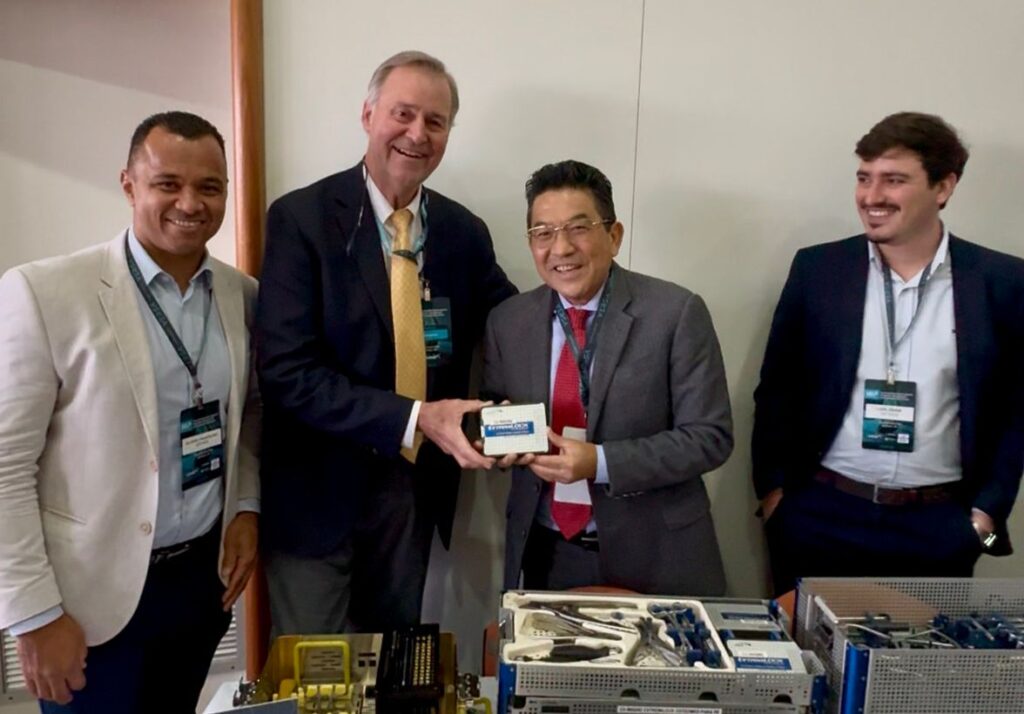
With 38 years of experience in the medical and hospital market, Implamed has been consolidating a growth model structured around the integration of medical education, technology, logistics, and distribution. The strategy was highlighted by Eduardo Simões, founder of the company, during his appearance on BM&C News' Smart Money program, hosted by João Kepler.
Watch the BM&C News video
The company operates mainly in the orthopedics segment, offering solutions for spine surgery, maxillofacial reconstruction, neurosurgery, and procedures on extremities such as hands and feet. Its portfolio includes surgical implants—such as plates and screws—as well as the essential instruments for performing the procedures.
Highly complex operational model
The implant sector requires a highly specialized logistical and technical structure. In the consignment model adopted by Implamed, products are sent to hospitals in advance, since the implant is determined during surgery.
In addition, the operation includes the shipment of specific instruments and the support of trained professionals for technical assistance in the operating room—a competitive advantage that ensures safety, efficiency, and excellence in care.
Implamed currently operates with around 70 distributors in Brazil. However, the sustainable expansion of the network depends directly on the training of qualified professionals.
“The biggest bottleneck is the lack of skilled labor. To grow, we need to train people,” says Eduardo Simões.
Medical education as a strategic focus
Professional training is one of the central pillars of the company's strategy. Implamed maintains its own training institute and promotes refresher programs in Brazil and abroad, especially in the United States, where surgeons have access to training centers connected to the factories of international manufacturers.
By continuously investing in education, the company strengthens its ecosystem and contributes to the technical advancement of surgical practice in the country.
Regulatory challenges and competitiveness
Another relevant point for the sector is the regulatory environment. The approval of new products by Anvisa can take up to two and a half years, impacting time to market and competitiveness against global players.
In this context, strategic planning and long-term vision become fundamental to sustaining growth.
Own brand and value creation
As part of its expansion plan, Implamed has been gradually increasing the share of its own-brand products, which currently account for around 7% of revenue.
The strategy strengthens institutional positioning, increases the perceived value of the company, and contributes to building a solid and sustainable brand asset in the long term.
Technology and network expansion
To support the next phase of growth, the company is evaluating new investments in technology with a focus on integrating management, education, and control of the distributor network.
The goal is to triple the distribution network over the next three years, consolidating an ecosystem model that connects industry, knowledge, and innovation—essential pillars for scaling operations in the healthcare sector with responsibility and excellence.
Read the full article: https://bmcnews.com.br/programas-bmc/smart-money/implamed-aposta-em-ecossistema-integrado-para-escalar-a-industria-da-saude/